November 2025 presented a complex picture of Niger under military rule, with infrastructure advances alongside troubling developments in press freedom, governance, and regional security. Since the July 2023 coup, the junta has consolidated power while facing mounting international criticism over human rights concerns. Here are the major stories shaping the nation.

Digital Infrastructure Milestone
One of November’s brightest developments came on November 14, when Niger achieved a major step forward in broadband connectivity. The government completed provisional acceptance of over 1,000 kilometers of fiber-optic cable under the Trans-Sahara Optical Fibre Backbone Project, financed by the African Development Bank. The handover ceremony, held in Niamey, marked a significant milestone toward improving the country’s digital integration and regional connectivity.
Related Posts:
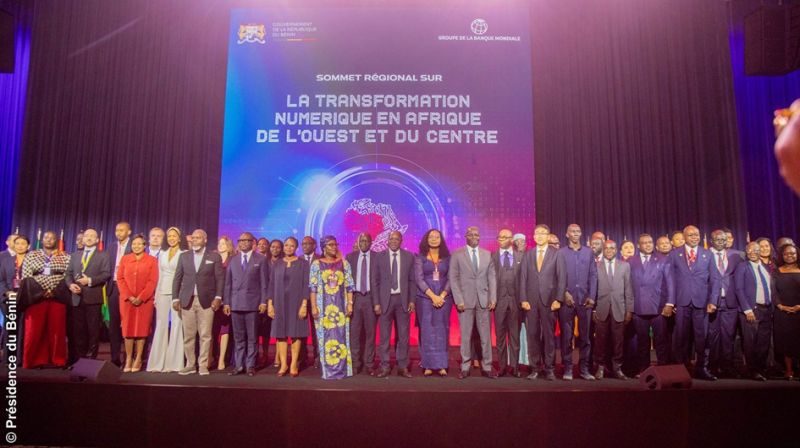


This infrastructure project represents a crucial investment in Niger’s digital future, positioning the nation for greater economic development and technological advancement. Officials emphasized that the network represents the beginning of a new chapter for digital technology in Niger, with commitments to ensure the infrastructure benefits citizens broadly.
Alarming Crackdown on Press Freedom
November saw intensified suppression of media freedom, adding to growing international concern about democratic backsliding. On November 1, security forces arrested at least six journalists, among them Moussa Kaka, the director of Radio Television Saraounia. While Kaka and two others were released on bail, three journalists—Ibro Chaibou, Youssouf Seriba, and Oumarou Kané—remained in custody, accused of vague charges related to disseminating information likely to disturb public order.
This represents part of a broader pattern of journalist arrests under the revised cybercrime law adopted in June 2024. The UN High Commissioner for Human Rights expressed alarm, noting that at least 13 journalists have been arrested over the past year on allegations of defamation, undermining national security, and conspiracy against state authority. International pressure mounted for the release of detained journalists and discontinuation of proceedings that exceed international human rights standards.
Detention of Opposition Leader Continues
As of November 2025, former President Mohamed Bazoum remained detained at the presidential palace in Niamey without access to family members or lawyers, more than two years after his ouster in the July 2023 coup. The junta lifted his presidential immunity in 2024 following proceedings that failed to meet due process standards, and he now faces criminal trial.
In a troubling development, prominent human rights activist Moussa Tiangari, who had been arrested in December 2024, continued to languish in pretrial detention on charges of “criminal conspiracy in connection with a terrorist enterprise” and “plotting against the authority of the state.” He faces potential capital punishment if convicted of the latter charge.
Regional Spillover: Kidnapping Crisis in Northern Nigeria
While not directly in Niger, the escalating kidnapping crisis in northern Nigeria reflects the broader regional security crisis that Niger itself faces. In November, over 400 people, primarily schoolchildren, were abducted across northern Nigerian states including Niger state, Kebbi, Kwara, and Borno. Al-Qaeda-affiliated groups and ISIS-aligned insurgents were reportedly behind the mass abductions, which sparked international alarm and UN demands for action.
The kidnappings underscored how insecurity emanating from the Sahel region affects neighboring nations and demonstrates the ongoing vulnerability of civilian populations to militant groups operating across the region.
International Withdrawal and Security Concerns
In related developments, the United States pulled its military forces out of Niger in 2024, leaving the country without effective surveillance capabilities in the face of rising militant activity. Military commanders acknowledged that the withdrawal had severely hampered counter-terrorism efforts, with one general stating that since departing Niger, rises in attacks by violent extremist organizations had been observed not only in Niger but across the broader Sahel and into Burkina Faso and Mali.
Departure from International Justice Mechanisms
In September 2025, Niger announced it would leave the International Criminal Court, a decision with significant implications for accountability and justice. The withdrawal jeopardized access to justice for victims of atrocity crimes and reflected the junta’s broader resistance to international oversight and accountability mechanisms.
Detention of Civil Society and Government Officials
Beyond journalists, the junta has arrested scores of former government officials and civil society activists. The military authorities dissolved four main justice-sector unions in August, accusing them of prioritizing private interests. Additionally, the government provisionally revoked the nationality of nine former senior officials in Bazoum’s government, accusing them of threatening public peace and state security—a move that violates international conventions on statelessness.
Looking Ahead
November 2025 illustrated the contradictions within Niger’s trajectory under military rule. While the nation invested in digital infrastructure to unlock development potential, it simultaneously intensified restrictions on press freedom, detained opposition figures and activists without due process, and continued to withdraw from international accountability mechanisms.
As the broader Sahel region grapples with intensifying militant activity and humanitarian challenges, Niger’s internal suppression of democratic voices and civil liberties raises questions about the junta’s ability to address these crises effectively. The coming months will reveal whether the military government can balance infrastructure development with the inclusive governance necessary to build lasting peace and stability.


